Pediatric report
Fostering Development Through Play
Explore the importance of play in children's cognitive development and how it relates to pediatric health.
At The Pediatric Report, we understand that play is not just a pastime for children; it is a fundamental component of their development. As parents and caregivers, fostering an environment where learning through play is encouraged can significantly impact a child's growth in various domains, including cognitive, emotional, and social skills. In today’s fast-paced world, recognizing the importance of play as a crucial learning tool is more vital than ever. Play serves as a natural mechanism for children to explore their surroundings, experiment with new ideas, and develop critical thinking skills. Through play, children learn to solve problems, communicate effectively, and build relationships with their peers.
At The Pediatric Report, we believe that by nurturing this aspect of childhood, parents can help their children thrive in an increasingly complex environment. This article will delve into the myriad ways in which play fosters development. We will explore the different types of play—symbolic, constructive, and physical—and their unique contributions to cognitive growth. Understanding the interplay between play and learning will empower parents to create enriching experiences that not only entertain but also educate. Join us as we unpack the profound impact of encouraging learning through play and equip yourself with practical strategies to implement in your daily routines. Together, we can pave the way for our children’s future success and well-being. In today's fast-paced world, encouraging learning through play is essential for children's cognitive development. is essential for children's cognitive development.
The Pediatric Report emphasizes the significance of integrating play into everyday activities to foster growth. Play is not merely a way for children to pass the time; it is a fundamental component of their development. Various types of play, including imaginative, physical, and constructive, each play a crucial role in shaping cognitive skills and facilitating learning. Imaginative play, often seen in activities such as role-playing or storytelling, allows children to explore different scenarios and perspectives. For example, when a child pretends to be a doctor or a teacher, they engage in problem-solving and critical thinking.
This type of play helps them understand social roles and enhances their ability to think creatively. As they navigate these make-believe situations, children learn to manage emotions and develop empathy. Such experiences are pivotal for cognitive growth and are often assessed during well-child visits by pediatricians who observe how children interact and express themselves. Physical play is another vital aspect of cognitive development. Activities that involve running, jumping, or climbing not only enhance motor skills but also boost brain function.
For instance, playing tag or participating in sports helps children develop coordination and balance while fostering teamwork and cooperation. These interactions can significantly affect a child’s confidence and social skills. Pediatricians frequently evaluate these physical milestones during well-child visits, ensuring that children are developing appropriately in both physical and cognitive domains. Constructive play involves building or creating things using various materials, such as blocks, art supplies, or even digital tools. This type of play stimulates problem-solving abilities as children figure out how to make their creations stand up or work efficiently.
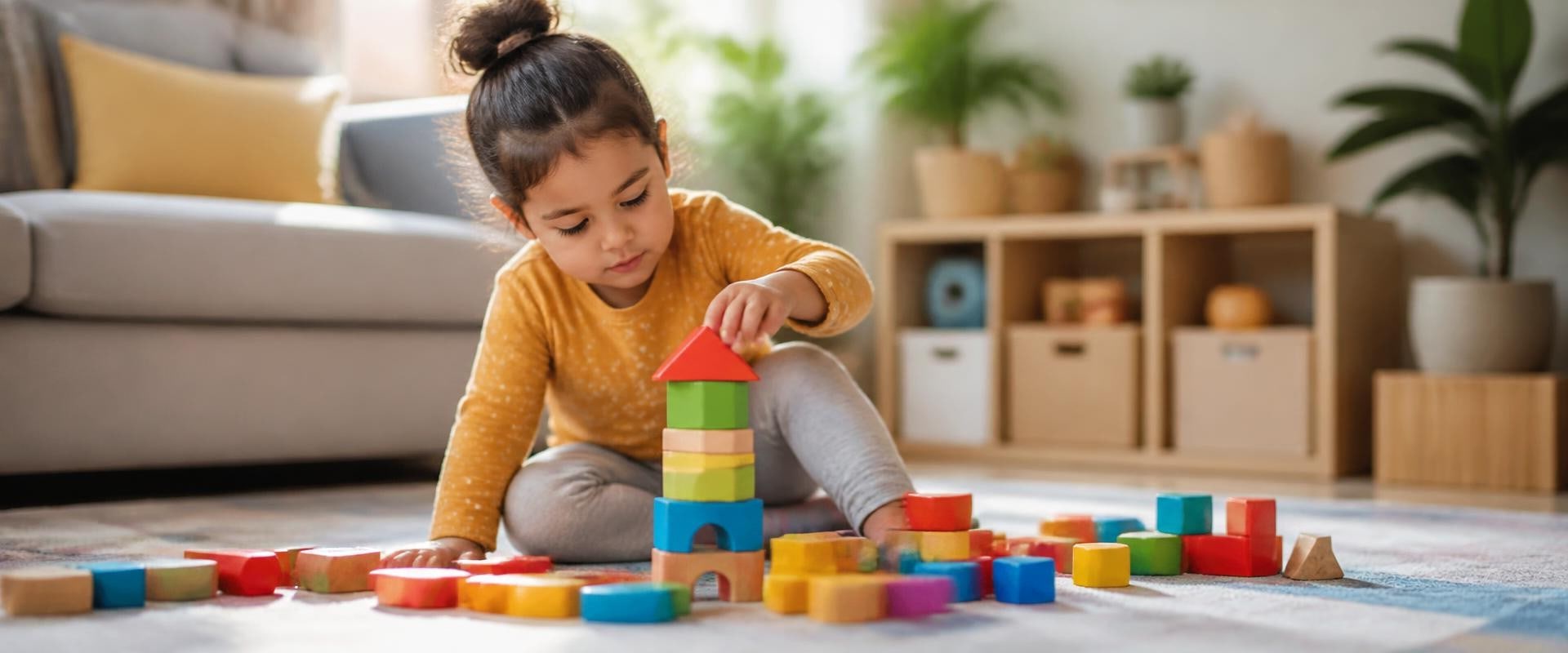
For example, when constructing a tower out of blocks, a child learns about balance and gravity while honing fine motor skills. Engaging in constructive play can also support spatial awareness and early math skills—critical components of cognitive development that pediatricians monitor during routine assessments. As parents witness their children's growth through these types of play, they may have concerns regarding developmental milestones. It is common for parents to worry whether their child is progressing at the right pace. Open communication with pediatricians is crucial for addressing these worries.
Parents should feel empowered to discuss any observations or concerns they might have during well-child visits. Questions about whether a child is engaging in enough imaginative play or if their physical skills are on track can lead to valuable insights from healthcare professionals. Additionally, the importance of vaccination schedules cannot be overlooked when discussing safe play environments. Vaccines protect children from various diseases, allowing them to engage with peers without health risks. Understanding the vaccination schedule ensures that children can participate in group activities safely and enjoy the benefits of social interaction through play.
The Pediatric Report highlights the connection between health and play by encouraging parents to stay informed about their child's immunizations as part of overall wellness. In conclusion, encouraging learning through play offers invaluable benefits for children's cognitive development. By incorporating imaginative, physical, and constructive play into daily routines, parents can support their child's growth effectively. Regular engagement with pediatricians during well-child visits is essential for monitoring developmental milestones and addressing any concerns that arise along the way. Through this collaborative approach, families can ensure that their children thrive in a safe and nurturing environment.
Constructive Play for Problem Solving
Engaging in constructive play, where children build and create, plays a pivotal role in enhancing their cognitive skills.According to The Pediatric Report, this type of play allows children to explore their environment, experiment with materials, and develop critical thinking abilities. When children are encouraged to construct with blocks, Legos, or even everyday household items, they learn about balance, gravity, and spatial relationships. As they manipulate objects, they are not just having fun; they are actively engaging in problem-solving activities. For instance, if a tower made of blocks falls, the child must analyze what went wrong and adjust their approach. This iterative process of trial and error fosters resilience and adaptability, essential traits for overcoming challenges in later life. Additionally, constructive play promotes collaboration when children work together on building projects.
This cooperative aspect encourages communication and social skills while they negotiate roles and share ideas. By integrating constructive play into daily routines, parents can support their child's cognitive development effectively.
The Pediatric Report
underscores the importance of these playful learning opportunities as they contribute to a child's overall growth.Physical Play and Motor Skills
Encouraging learning through play is not just about cognitive engagement; it also plays a crucial role in children's physical development. According to The Pediatric Report, active play significantly contributes to the development of motor skills, which are essential for children's overall growth.When children engage in physical activities such as running, jumping, and climbing, they are not only having fun but also honing their coordination, balance, and strength. Through active play, children learn to control their movements, which lays the foundation for more complex skills later in life. For instance, activities like throwing a ball or riding a bike help improve hand-eye coordination and muscle strength. This physical engagement is vital for developing both gross motor skills—those that involve large muscle groups—and fine motor skills, which require more precise movements. Furthermore, the benefits of physical play extend beyond just motor development. Engaging in active play also promotes cardiovascular health and helps prevent obesity, contributing to a child’s overall well-being.
Parents can facilitate this by providing opportunities for outdoor play and encouraging children to explore their environment safely. As highlighted by The Pediatric Report, integrating play into daily routines not only supports physical health but also enhances social interactions and cognitive skills, creating a well-rounded approach to child development.
Vaccination and Safe Play
In the context of encouraging learning through play, ensuring that children are vaccinated is crucial for facilitating safe interactions among peers. The Pediatric Report highlights that vaccinations not only protect individual children from various diseases but also contribute to community immunity, reducing the risk of outbreaks. When children are vaccinated, parents can feel more at ease allowing their kids to engage in group play activities, which are essential for social and cognitive development. Safe play environments foster healthy interactions, creativity, and learning experiences.Without the protection that vaccines provide, children may be at risk of contracting preventable illnesses that can disrupt their play and learning opportunities. Therefore, encouraging parents to stay informed about immunization schedules and the importance of vaccines is a vital step in promoting safe play. Moreover, as children interact during play, they learn critical social skills such as cooperation, sharing, and conflict resolution. These skills are foundational for their overall cognitive development. By prioritizing vaccinations, parents not only safeguard their own children but also contribute to a healthier community where all children can thrive through play. Ultimately, vaccination is a vital component of creating a safe environment for children to explore and learn through play.
The Pediatric Report emphasizes the importance of integrating health awareness into parenting practices to ensure that play remains a joyful and enriching experience.
Communicating with Your Pediatrician
During well-child visits, discussing your child's play behavior is crucial for understanding their cognitive development.The Pediatric Report
emphasizes the importance of integrating play into daily routines, and pediatricians can provide valuable insights on this topic. Here are some tips to help you communicate effectively about your child's play habits during these appointments. First, prepare a list of specific observations regarding your child's play. Note the types of play activities they engage in, how they interact with peers, and any changes in their behavior over time.This information will help your pediatrician assess their developmental milestones more accurately. Next, ask open-ended questions that encourage dialogue. For instance, inquire about the developmental benefits of certain types of play or how to incorporate more educational elements into playtime. This approach not only clarifies your concerns but also fosters a collaborative relationship with your pediatrician. Additionally, don’t hesitate to share any concerns you have regarding your child's social interactions during play. If you notice they struggle to engage with other children or show signs of frustration, bring this up.
Your pediatrician can offer guidance on how to support your child in these areas. Lastly, take notes during the discussion. Jotting down your pediatrician's recommendations can help you implement strategies at home and track your child's progress over time. Remember, The Pediatric Report highlights that active communication with your pediatrician is key to fostering your child's growth through play.
The Role of Imaginative Play
Imaginative play, often referred to as pretend play, is a fundamental aspect of childhood that plays a crucial role in enhancing creativity and critical thinking skills. According to The Pediatric Report, engaging in imaginative scenarios allows children to explore different perspectives and develop their problem-solving abilities.During pretend play, children often take on various roles, whether it's pretending to be a doctor, a teacher, or even an astronaut. This role-playing not only stimulates their imagination but also encourages them to think critically about the situations they are creating. As children immerse themselves in these imaginary worlds, they are prompted to make decisions, negotiate roles with peers, and construct narratives. This process significantly boosts their cognitive development by fostering an environment where they can experiment with ideas and actions without real-world consequences. The flexibility of imaginative play also allows children to navigate complex social interactions, enhancing their emotional intelligence and empathy. Moreover, through imaginative play, children learn to express themselves verbally, expanding their vocabulary and communication skills.
They practice storytelling, which sharpens their ability to organize thoughts and convey messages effectively. The Pediatric Report highlights that this type of play is not only fun but also a powerful educational tool that prepares children for future academic challenges. In summary, encouraging imaginative play in children is essential for nurturing their creativity and critical thinking abilities. By facilitating opportunities for pretend play, parents can actively contribute to their children's cognitive growth and overall development. In conclusion, encouraging learning through play is not just an enjoyable activity for children; it is a fundamental aspect of their cognitive development. By engaging in various types of play, children enhance their imagination, physical skills, problem-solving abilities, and social interactions.
As parents, it is crucial to recognize the importance of play as a significant component of your child's growth. We encourage you to embrace play as a vital tool in your child's development journey. Additionally, for more insights into pediatric health and well-child visits, be sure to consult As parents, it is crucial to recognize the importance of play as a significant component of your child's growth. We encourage you to embrace play as a vital tool in your child's development journey. Additionally, for more insights into pediatric health and well-child visits, be sure to consult The Pediatric Report, a valuable resource for parents navigating childhood health topics.