Pediatric report
Essential First Aid Basics for Parents
Learn crucial first aid basics for parents, focusing on pediatric emergencies, well-child visits, and effective communication with pediatricians.
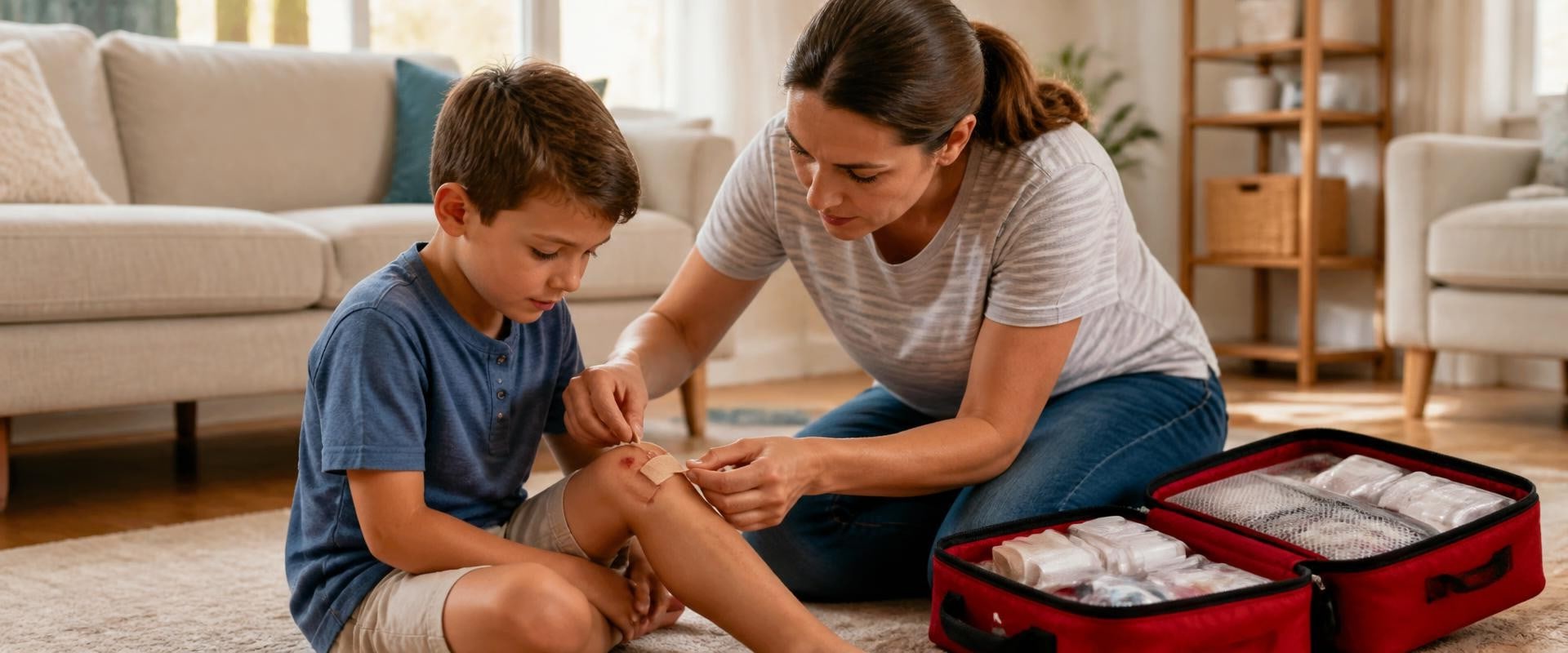
As parents, there’s nothing more important than ensuring the safety and well-being of our children. Accidents can happen at any moment, and being prepared can make all the difference. At The Pediatric Report, we understand that having a solid grasp of first aid basics is crucial for every parent. In the heat of an emergency, knowledge can empower you to act swiftly and effectively, potentially saving your child from further harm. This article, titled Essential First Aid Basics for Parents, aims to equip you with fundamental first aid skills tailored specifically for pediatric emergencies. , aims to equip you with fundamental first aid skills tailored specifically for pediatric emergencies.
Whether it’s a minor scrape or a more serious situation, knowing what steps to take can alleviate panic and provide immediate help until professional medical assistance arrives. We will cover key topics such as how to handle cuts, burns, choking, and more, ensuring that you feel confident in your ability to care for your child in times of need. Join us as we delve into these essential first aid techniques, designed not only to educate but also to instill peace of mind in parents everywhere. Remember, while this guide provides valuable information, it is always best to consult with a licensed pediatrician for personalized advice and treatment plans. Let’s get started on this important journey towards being prepared for any pediatric emergency!In today’s fast-paced world, parents need to be prepared for any situation that may arise with their children.
Understanding first aid basics is crucial for ensuring the health and safety of your little ones.
The Pediatric Report
emphasizes the importance of being knowledgeable about pediatric emergencies and how to respond effectively. By being equipped with essential first aid skills, parents can not only act promptly in emergencies but also feel more confident during well-child visits and sick visits. Being prepared for emergencies means knowing what to do when accidents happen. Whether it’s a scraped knee from a fall or a more serious situation, having first aid knowledge can make a significant difference. emphasizes the importance of being knowledgeable about pediatric emergencies and how to respond effectively. By being equipped with essential first aid skills, parents can not only act promptly in emergencies but also feel more confident during well-child visits and sick visits. Being prepared for emergencies means knowing what to do when accidents happen. Whether it’s a scraped knee from a fall or a more serious situation, having first aid knowledge can make a significant difference.Parents often worry about their ability to respond appropriately, but with the right information, they can navigate these situations with confidence. Understanding CPR for infants and children, treating minor cuts and bruises, recognizing the signs of serious illness or injury, and knowing when to seek medical help are all essential components of pediatric first aid. Let’s start with one of the most critical skills: CPR. Cardiopulmonary resuscitation is a lifesaving technique used in emergencies when someone's breathing or heartbeat has stopped. For infants (under one year), the technique differs slightly from that used on older children and adults.
To perform CPR on an infant, first call for emergency assistance. Then, place the infant on a firm surface, give five gentle back blows using the heel of your hand between the shoulder blades, followed by five chest thrusts using two fingers placed just below the nipple line. Continue this cycle until help arrives or the infant starts breathing again. For children over one year, the process involves 30 chest compressions followed by two rescue breaths; you should use one hand for compressions, placing it in the center of the chest. Next, let’s discuss how to treat minor cuts and bruises.
First, assess the wound by checking its size and depth. For minor cuts, begin by washing your hands thoroughly to prevent infection. Then rinse the cut gently under clean running water to remove any dirt. After cleaning, apply an antiseptic wipe or cream to prevent infection and cover the wound with a sterile bandage.
Monitor the wound daily, changing the bandage as needed and watching for signs of infection like redness or swelling. Bruises typically require no special treatment beyond rest and ice application to reduce swelling. Recognizing the signs of serious illness or injury is also vital. Parents should be aware that symptoms such as difficulty breathing, persistent fever over 104°F (40°C), severe headache, or extreme lethargy may indicate a medical emergency requiring immediate attention. Additionally, if a child has sustained a head injury followed by confusion or vomiting, it is crucial to seek medical help promptly. When it comes to knowing when to seek medical help, trust your instincts as a parent.
If you feel that something is wrong or if your child’s condition worsens despite home care measures, do not hesitate to contact your pediatrician or visit an emergency room. It’s always better to err on the side of caution. Many parents have concerns or misconceptions about administering first aid, fearing they might do more harm than good. It's important to remember that these tips are designed to support your children's health and well-being. Learning first aid does not make you a medical professional but equips you with knowledge that can help in critical situations. Lastly, while this article provides essential first aid techniques for parents, it is vital to consult with a pediatrician for any serious concerns or questions regarding your child's health.
The Pediatric Report aims to empower parents in their journey through childhood health by providing these insights and encouraging proactive involvement in their children's well-being.
The Importance of Well-Child Visits
Routine check-ups and vaccinations play a crucial role in maintaining your child's health.Well-child visits
are essential appointments that allow pediatricians to monitor your child's growth and development, ensuring they meet important milestones. These visits provide an opportunity for parents to discuss any concerns about their child's health, behavior, or development with a qualified professional. According to The Pediatric Report, these assessments are vital for identifying potential health issues early on, which can lead to more effective interventions. In addition to monitoring growth, vaccinations administered during these visits protect children from serious diseases.Vaccines help build immunity against various infections, reducing the risk of outbreaks and ensuring the safety of not just individual children, but also the community as a whole. Parents should be proactive in keeping up with the vaccination schedule recommended by healthcare providers, as this is a fundamental aspect of preventive care. Moreover, well-child visits foster a strong relationship between parents and their pediatricians. This partnership is essential for navigating health challenges and making informed decisions about your child's well-being.
The Pediatric Report
emphasizes that consistent communication with your child's healthcare provider can empower parents with knowledge and confidence in managing their children's health effectively.Understanding Pediatric Emergencies
When it comes to the health and safety of our children, recognizing what constitutes a pediatric emergency is paramount.The Pediatric Report highlights several critical situations that can arise, requiring immediate attention and appropriate first aid response. These emergencies can range from choking incidents to severe allergic reactions and high fevers, each demanding specific interventions to ensure the well-being of your child. One of the most alarming scenarios a parent may encounter is choking. This occurs when an object becomes lodged in a child's airway, obstructing their ability to breathe. Understanding how to perform the Heimlich maneuver or back blows can be life-saving.
Parents should be familiar with the signs of choking, which include difficulty breathing, coughing, or making wheezing sounds. Another critical condition to be aware of is a severe allergic reaction, often referred to as anaphylaxis. This can happen suddenly and may be triggered by food, insect stings, or medications. Symptoms can include swelling of the face and throat, difficulty breathing, or a rapid heartbeat. It is essential for parents to recognize these symptoms and know how to use an epinephrine auto-injector if their child has a known allergy. Additionally, high fevers in children can be concerning, especially when they reach temperatures above 104°F (40°C).
While many fevers are harmless and part of the body’s defense mechanism against infection, persistent high fevers can indicate a more serious condition. Parents should monitor their child's fever closely and seek medical advice if it persists or is accompanied by other alarming symptoms. By equipping themselves with knowledge about these common pediatric emergencies, parents can act quickly and confidently in critical situations.
The Pediatric Report
encourages all parents to familiarize themselves with these essentials as part of their commitment to child safety and health.How to Communicate with Your Pediatrician
Effective communication with your child’s pediatrician is vital for ensuring their health and well-being. The Pediatric Report emphasizes the importance of building a strong partnership with your pediatrician, as this can significantly impact your child’s care.As a parent, being proactive during visits can help you gather essential information and address any concerns you may have about your child's health. Start by preparing a list of questions before your appointment. Consider asking about your child's development milestones, vaccination schedules, and any specific health concerns that may be on your mind. For instance, if you notice unusual symptoms or behaviors in your child, bring these observations to the pediatrician's attention. This not only helps in diagnosing potential issues but also reassures you as a parent. During the visit, don't hesitate to ask for clarification on medical jargon or treatment recommendations.
It's crucial that you fully understand the information being presented so you can make informed decisions regarding your child's health. You might ask questions like, "What are the possible side effects of this medication?" or "When should I follow up if my child's symptoms persist?" These inquiries demonstrate your engagement and concern for your child’s health. Additionally, make sure to discuss any family medical history that might be relevant to your child’s health. Informing your pediatrician about hereditary conditions can guide them in tailoring preventive measures and screenings for your child. Finally, after the visit, take notes on what was discussed and any recommendations given. Following up on advice or scheduling necessary tests promptly can help maintain continuity in your child's care.
Remember, a good relationship with your pediatrician based on open communication is key to navigating any health issues confidently. In summary, being prepared with questions, actively engaging during visits, and following up on recommendations will enhance your communication with your pediatrician. The Pediatric Report encourages parents to take these steps to ensure their children receive the best possible care.
Basic First Aid Techniques Every Parent Should Know
In the realm of pediatric health, being equipped with the right first aid knowledge can make a significant difference in emergency situations.The Pediatric Report
emphasizes the importance of parents learning essential first aid techniques to manage common injuries and emergencies effectively. Here are some critical skills every parent should master:CPR (Cardiopulmonary Resuscitation): Knowing how to perform CPR is vital.In the event that a child stops breathing or their heart stops, immediate action can save their life. For children over the age of one, use the following steps: check for responsiveness, call 911, and begin chest compressions at a rate of 100-120 compressions per minute, followed by rescue breaths if trained. For infants under one year, the technique varies slightly; use two fingers for chest compressions and provide gentle rescue breaths while ensuring their head is tilted back slightly.
Wound Care
: Cuts and scrapes are common among children. To treat a wound, start by washing your hands thoroughly.Rinse the wound with clean water to remove any dirt or debris. Apply an antiseptic to prevent infection and cover it with a sterile bandage. It's important to monitor the wound for signs of infection, such as redness, swelling, or pus.
Handling Burns
: Burns can occur in various situations, from hot liquids to sun exposure. For minor burns, cool the area under running water for at least 10 minutes and cover it with a clean, non-stick bandage.Do not apply ice or butter, as these can worsen the injury. For severe burns, seek immediate medical attention.
Fractures
: If you suspect your child has a fracture, it's crucial to immobilize the affected area and seek medical help right away. You can make a splint using a rolled-up newspaper or a thick piece of cardboard to keep the limb stable until professional help arrives. By mastering these basic first aid techniques, parents can approach emergencies with more confidence and ensure their children receive timely care. Remember, while knowledge is essential, it's equally important to consult healthcare professionals for guidance and support. In conclusion, equipping yourself with first aid basics for parents is not just about knowledge; it’s about empowerment.With the insights provided in this article, you now have a foundational understanding of pediatric emergencies and essential first aid techniques that can make a significant difference when faced with unexpected situations. Remember, the health and safety of your children depend on your preparedness.